


Last Updated: November 2, 2026
Quick Summary
Easy felt projects for kids are low-mess, not no-mess: you will still sweep up clippings, but there is no water, no paint, and no drying time. Felt does not fray and cuts cleanly with ordinary scissors, so kids can start and finish a project in one sitting.
- Felt is a non-woven textile, so its edges stay put without hemming.
- Ages 3-5 stick precut shapes onto a board for ten to fifteen minutes.
- Ages 6-8 cut simple shapes and glue layers for twenty to thirty minutes.
- Fabric glue or a low-temperature glue gun holds felt far better than white school glue.
- A felt finger puppet takes about twenty minutes and starts with two body shapes about 5 cm wide.
Table of Contents
- What Makes Easy Felt Projects for Kids Work at Any Age
- No-Sew Felt Crafts for Kids: Glue, Shapes, and Simple Layers
- Felt Finger Puppets for Kids: A 20-Minute Project
- Felt Craft Supplies for Kids: What to Buy and What to Skip
- Easy Felt Patterns for Beginners: Shapes, Animals, and Decorations
- Choosing a Felt Kit That Fits Your Family
- Frequently Asked Questions
What Makes Easy Felt Projects for Kids Work at Any Age
Easy felt projects for kids work because felt is forgiving. It does not fray, it holds a crease, and it cuts cleanly with ordinary scissors. That means a five-year-old and a ten-year-old can both finish something that looks good.
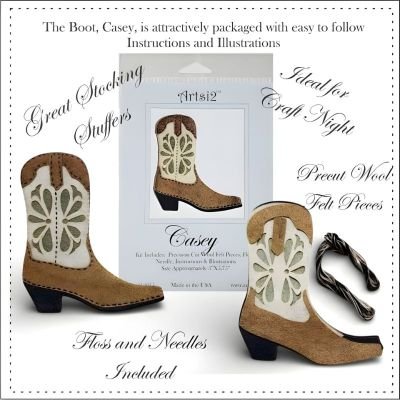
Wool felt applique and hand embroidery kits with precut felt pieces, needles, floss and a stitch glossary give an older child everything in one bag. Those kits need simple hand sewing.
Felt is a non-woven textile made by matting and pressing fibers together, which is why the edges stay put without hemming. That single property is what makes felt projects so beginner-friendly.
Here is the honest answer to the mess question: felt crafts are low-mess, not no-mess. You will still sweep up clippings. But there is no water, no paint, and no drying time.
Matching Projects to Attention Span and Skill
Match the project to the child, not to the calendar. A four-year-old can sort shapes and press them down. A seven-year-old can cut simple outlines. A ten-year-old can plan a whole design.
Use this rough guide:
- Ages 3-5: Sticking precut shapes onto a board. Ten to fifteen minutes.
- Ages 6-8: Cutting simple shapes and gluing layers. Twenty to thirty minutes.
- Ages 9-12: Planning patterns, hand stitching optional. Thirty to forty-five minutes.
A common mistake is starting with a big project. Start small, finish fast, and let the win build momentum.
Match the project to the child’s age and attention span with this rough guide.
| Ages | Typical activity | Time |
|---|---|---|
| Ages 3-5 | Sticking precut shapes onto a board | Ten to fifteen minutes |
| Ages 6-8 | Cutting simple shapes and gluing layers | Twenty to thirty minutes |
| Ages 9-12 | Planning patterns, hand stitching optional | Thirty to forty-five minutes |
No-Sew Felt Crafts for Kids: Glue, Shapes, and Simple Layers
No-sew felt crafts for kids remove the biggest barrier: the needle. If you can spread glue and press, you can make these.
The best no-sew felt projects use three moves: cut, layer, and press. Build from the biggest shape to the smallest so edges stay clean.
- Bookmarks: A felt strip with a glued shape on top.
- Pencil toppers: Small felt shapes glued to a craft stick.
- Simple pouches: Two felt rectangles glued on three sides.
Which Glue and Tools Actually Hold Felt Together
Not all glue holds felt. White school glue soaks in and lets go. Fabric glue or a low-temperature glue gun holds far better.
Watch out: a hot glue gun can burn small fingers. Use low-temp sticks and keep the gun with an adult.
Your short tool list:
- Fabric glue or low-temp glue gun
- Blunt-tip scissors for young kids
- Sharp scissors for adults
- Chalk or a washable marker for tracing
- A stiff backing board
Felt Finger Puppets for Kids: A 20-Minute Project
Felt finger puppets for kids make a good first project. They are small and quick to finish.
Here is how to make one in about twenty minutes.
- Cut two felt body shapes the same size, about 5 cm wide. [5 minutes]
- Glue the edges on three sides, leaving the bottom open. [3 minutes]
- Let it dry while you cut eyes, ears, or a beak. [5 minutes]
- Glue on the face pieces. [4 minutes]
- Slide it on a finger and test the fit. [3 minutes]
Expected result: a puppet that fits a child’s finger and holds its shape. If the glue slips, press and hold for a slow count of twenty.
Felt Craft Supplies for Kids: What to Buy and What to Skip
Felt craft supplies for kids come down to a short list. Browse the felt supplies and kits the article recommends. Buy the good basics and skip the rest.
Buy:
- Wool or wool-blend felt sheets, which hold shape better than thin synthetic felt
- Fabric glue and low-temp glue sticks
- Blunt scissors and one good pair for adults
Skip:
- Thin bargain felt that pills and stretches
- Kits with no instructions
- Glitter glue that flakes off
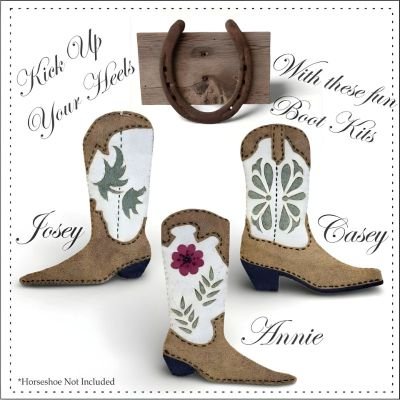
Value Packs are available in the Cowboy Boots for extra savings
Easy Felt Patterns for Beginners: Shapes, Animals, and Decorations
Easy felt patterns for beginners often start with simple shapes such as circles, squares, and triangles. Download free printable patterns to start making these beginner projects.
Start with a template set, not freehand. Print outlines at full size on plain paper, cut them out, and pin or hold them on the felt. A washable marker traced around the paper edge gives a cutting line a child can follow; chalk works too and brushes off finished pieces. Keep templates in a zip bag labeled by project so the next session starts faster.
Try these starter patterns, with rough finished sizes so pieces stay large enough for small hands:
- Flowers: a circle center about 1 inch across with five petal ovals about 1.5 inches long
- Hearts: two half-circles glued side by side, each about 2 inches wide
- Owls: an oval body about 4 inches tall, two circle eyes about 1 inch, a triangle beak about 1 inch
- Butterflies: two large ovals about 3 inches and two small ones about 1.5 inches, stacked and glued at the center
- Garlands and banners: repeated shapes about 2 inches wide, glued to a felt string or yarn with a 3-inch gap between pieces
Scale before you cut. Resize any printed template to suit the project before you start, and keep the smallest shapes large enough for small hands.
Match the pattern to the child. Ages 3-5 do best with three to five large precut pieces they can press down; ages 6-8 can trace and cut the 2-inch shapes; ages 9-12 can plan a multi-shape design and add hand stitching. A common mistake is printing a detailed animal pattern for a five-year-old and watching the project stall at the cutting stage.
Choosing a Felt Kit That Fits Your Family
A good felt kit removes the guesswork. Read more craft articles and guidance to compare options before choosing a kit. Precut pieces, clear steps, and all the parts in one bag mean no last-minute store run.
Ask three questions before you buy:
- Does it include precut pieces or raw sheets?
- Does it need hand sewing, and are the needles and floss included?
- How long does one project take?
Our kits are individually packed. Our wool felt applique and hand embroidery kits include precut wool felt, needles, floss and a stitch glossary, and they need hand sewing. Our Kinusaiga no-sew quilt boards are a separate line: no sewing, and they serve as a teaching tool for color and pattern coordination.
Contents include Stitch Glossary, Written Instructions with Illustrations, Precut Wool Felt Pieces, Needle, and Floss
Frequently Asked Questions
What can kids make with felt without sewing?
Most beginner felt projects need no needle at all. Kids can make bookmarks, pencil toppers, finger puppets, garlands, play food, and simple shapes using craft glue. Layered shapes work well because felt grips itself and stays put while the glue sets. Choose thick wool or wool-blend felt so edges hold their shape, and keep projects to two or three layers so the glue dries evenly.
What age can children start making felt projects?
Ages 3 to 5 can handle precut shapes and peel-and-stick felt with adult help. Ages 6 to 8 can cut simple shapes with safety scissors and glue pieces themselves. Ages 9 and up can follow patterns, plan color layouts, and finish a project start to finish. Match the project to the child: younger kids do better with fewer, larger pieces, while older kids stay engaged when they get to choose colors and patterns.
How do you keep felt pieces from fraying?
Felt does not fray the way woven fabric does, but cut edges can shed fibers over time. Use sharp scissors for clean cuts, trim loose fibers after cutting, and press edges flat before gluing. Wool and wool-blend felt shed less than thin acrylic felt. For projects kids will handle a lot, back the piece with a second layer of felt or a small piece of cardstock to give it structure.
What supplies do kids need for felt craft supplies for kids starters?
Start with three or four felt sheets in different colors, a pair of safety scissors, craft glue or a low-temperature glue gun for adult use, and a few printable templates. Add a fine-tip marker for tracing and a small tray to keep pieces organized. Skip sewing machines and specialty tools at first. A precut kit works well for families who want everything measured and ready, including for travel projects.
Picking the right project is the whole game. Start small, match the project to the child, and keep the tools simple. That is how a ten-minute craft turns into a habit.
At Artsi2, we make USA-made hand embroidery kits with precut wool felt, needles and floss, and a separate line of no-sew quilt kits, so the first project is a win, not a mess. Get started with Artsi2 and turn a rainy afternoon into something they made themselves.
